
⬇️ Prefer to listen instead? ⬇️

- 🧬 The cutis consists solely of the epidermis and dermis, not the fat-rich subcutis.
- 🦠 The cutis plays a key immune part, forming the body's main defense against germs.
- 🍄 Mycologists also use "cutis" to describe the protective layer of hyphae on a mushroom cap.
- 🔬 Fungal “cutis” structures help scientists make new sustainable materials and medical tools.

What Is the Cutis?
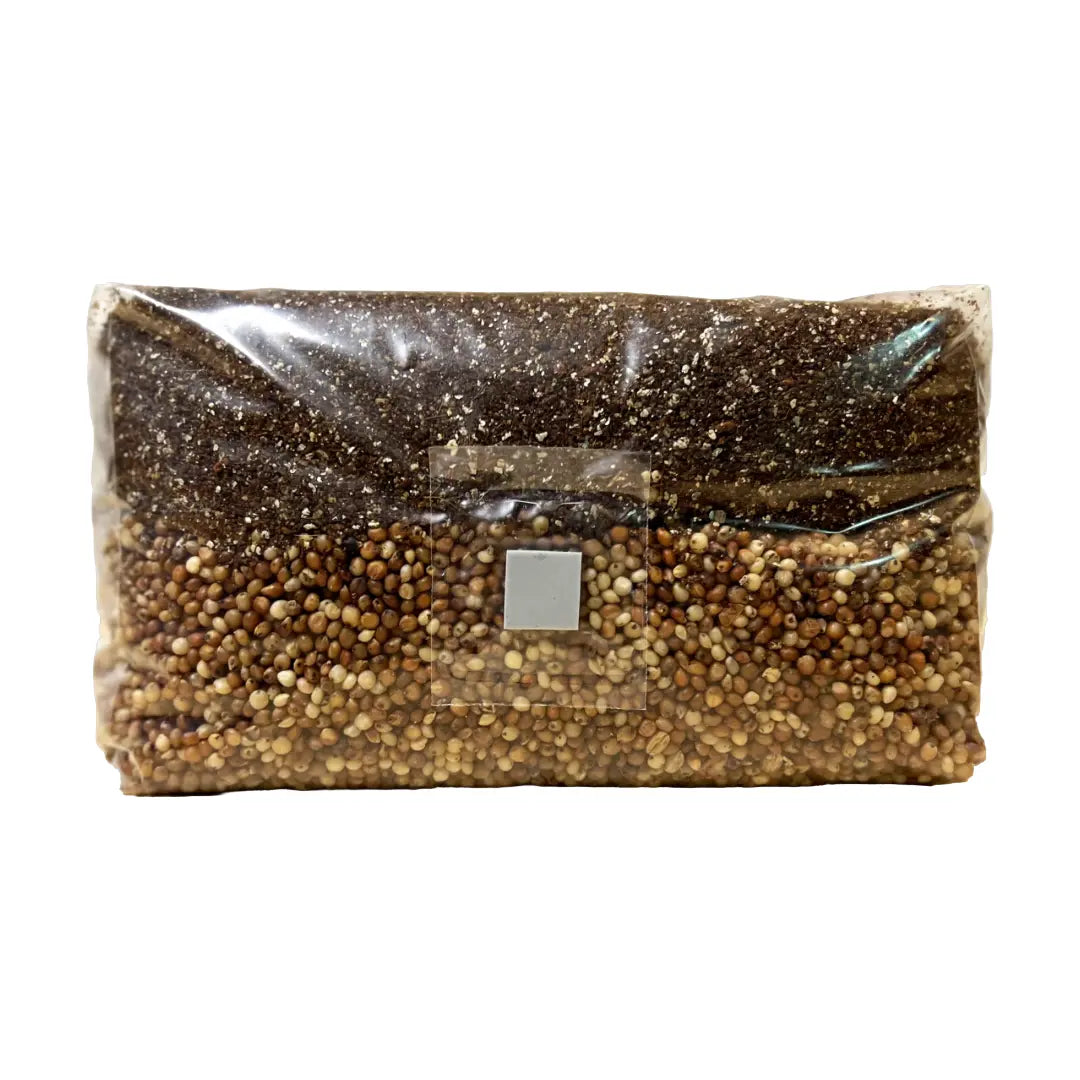
You might think skin is simple, but the word cutis reveals there’s more to it. In biology, the cutis refers to the top layers of skin, which are vital for protection, sensing the world, and defending against threats. And this idea isn’t limited to humans—many organisms have skin-like outer layers, including fungi. In mushroom cultivation, for example, growers using Mushroom Grow Bags or a Monotub often observe the cutis-like outer surface of developing caps, which helps protect the fruiting body. Whether you’re a student, new to skincare, or someone who grows mushrooms, understanding how skin—or skin-like layers—work can teach you a lot about how living things survive and adapt.

Cutis Definition: A Look at Biology
The word cutis comes from the Latin word for "skin." It sounds simple, but biologists use the term in a very specific way. In anatomy and medicine, the cutis definition refers to only the top two layers of mammal skin: the epidermis and the dermis. These two layers together make the body’s outer shield.
This way of classifying skin separates the cutis from the subcutis. The subcutis, also called the hypodermis, is a deeper layer. It is made mostly of fat and connective tissue. And while these layers work together, they have different make-ups, purposes, and medical importance.
In doctor's offices, knowing the skin layers helps doctors give correct diagnoses and good treatments. For instance, a rash only in the epidermis might need a cream. But a deeper infection in the dermis might need antibiotics or a small surgery. Learning about skin layers—epidermis, dermis (which form the cutis), and subcutis—helps you understand biology better and learn important skin ideas.

Layers of the Cutis: Epidermis and Dermis
To understand cutis biology, you need to look at how it is built in layers. Each layer is not just still or the same. Instead, each layer has specific jobs. And each job helps skin act as the body's biggest and most complex organ.
The Epidermis: The Surface Shield
The epidermis is the skin's top layer. It is the part that deals with the outside world. It is mostly made of keratinocytes. These cells make keratin. Keratin is a strong protein that helps waterproof the skin and resist damage. This layer has no blood vessels; nutrients move into it from the dermis below.
Here are some key parts of the epidermis:
- Stratum corneum: This is the very top layer. It has dead, flat cells that shed and get replaced all the time.
- Melanocytes: These cells make pigment. Pigment gives skin its color and protects against UV damage.
- Langerhans cells: These are immune cells. They find possible germs trying to get into the skin.
Even though the epidermis is very thin, it does a lot for skin's immune defense, keeping moisture in, and protecting from harmful things.
The Dermis: The Working Part
Under the epidermis is the dermis. This layer is much thicker and more complex. It supports and feeds the outer skin. It is made of dense connective tissue, mainly collagen and elastin. These give skin its strength and stretchiness.
The dermis holds:
- Blood vessels that feed the epidermis and help control body temperature.
- Nerve endings for feeling touch, pressure, temperature, and pain.
- Glands like sweat glands and sebaceous (oil) glands.
- Hair follicles, which hold hair and work with muscles for skin movement.
And important to note, the dermis also has many immune cells. These include mast cells, macrophages, and dendritic cells. They find and stop microorganisms before they can spread throughout the body.
What the Cutis Is Not: The Hypodermis
Right below the dermis is the hypodermis or subcutis. This is a soft layer with many fat cells (adipocytes). It cushions the body and helps keep it warm. But this layer is not part of the cutis. This matters in medicine, as different skin problems and treatments affect specific layers.

Skin’s Key Part in Human Health
Your cutis skin does more than just hold your body together. It is a complex organ. It does key body jobs that you need to live. Here are the main biological jobs it does:
- Physical shield: It protects inside tissues from injury, UV rays, and germs.
- Sensor: With nerve endings, it feels pressure, heat, cold, pain, and vibration.
- Immune watch: The skin has special cells that find and react to threats.
- Body balance: It controls body temperature with sweat glands and by widening or narrowing blood vessels.
- Moisture control: It stops too much water loss through the skin.
When the cutis gets hurt—like from burns, infections, or long-term skin problems—it harms these key jobs. For example, second-degree burns that reach the dermis can let bacteria into the bloodstream. And this changes the body's immune responses and fluid balance (Guimberteau, Delage, & McGrouther, 2010).

The Dermatologist’s Concern: Why Knowing About Cutis Matters
For skin doctors and other healthcare staff, the cutis gives important clues for diagnosis. By looking at the structure, color, and function of the cutis skin, doctors can find many conditions. This goes from common eczema to rare genetic problems.
Here is how knowing skin-layer anatomy helps doctors make choices:
- Finding where a sickness is: For example, psoriasis often affects the epidermis. And rosacea affects the dermis.
- Targeting treatment: Creams must target the thin epidermis. But deeper problems might need medicine for the whole body.
- Right injection spot: Vaccinations, insulin, and allergy tests go into different skin depths. Knowing the cutis limits makes sure these work well and are safe.
Common medical words show how the cutis is involved:
- Dermatitis: Swelling mostly in the dermis or epidermis.
- Subcutis: This means fat tissue below the cutis.
- Panniculitis: A hypodermis problem, sometimes mistaken due to its closeness to the cutis layer.
Knowing where problems happen is key to choosing the correct treatments (Moore, Dalley, & Agur, 2013).

Cutis in Comparative Biology: Humans vs. Other Animals
The interesting thing about cutis biology is how it changes across different life forms. Over time, skin has changed in different organisms to fit their surroundings and challenges.
Amphibians
- Amphibians like frogs and salamanders have a very permeable cutis. This lets them take in oxygen and water through their skin.
- Their cutis also makes peptides that fight germs in water.
Reptiles
- Reptile skin is dry. It has scales made of keratin. This protects them from losing water in dry places.
- Their cutis has pigments and tiny structures. These help them blend in and control body temperature.
Mammals
- Mammal cutis varies greatly. Whales have thick, smooth skin with a lot of fat for warmth. And humans have relatively thin skin with many sweat glands to control body temperature well.
- Hair follicles and oil glands are in the dermis of most mammals. These help with protection, feeling, and social signs.
These changes show how much the cutis can change to fit what the environment and evolution need.

Do Mushrooms Have Skin? Fungal “Cutis” in Mycology
For fungi, especially mushrooms, the term "cutis" gets a new and interesting meaning. Fungi do not have skin like animals. But their outer surface looks and works like a protective layer. This layer is made of tightly packed hyphae.
What is a Fungal Cutis?
In mycology, a cutis means how the hyphae are arranged. Hyphae are the cell threads that make up a fungus. In a cutis, they lie flat and parallel to the surface of the mushroom's pileus, or cap. It is one type of pileipellis, or cap skin:
- Cutis: Hyphae lie flat along the surface.
- Trichoderm: Hyphae stick out like hairs.
- Epithelium: A mix of round cells, often sticky or like jelly.
- Epicutis: A second or changed surface layer.
These parts act as a defense for the mushroom. They protect it from drying out, dirt, and wear from the environment (Lodge et al., 2004).

The Mushroom Angle: Protecting What’s Important
The fungal cutis is just as key as the human one. The mushroom cutis specifically:
- Slows down water loss. This keeps moisture that is vital for spore growth.
- Acts as a physical barrier against pests and tiny organisms.
- Gives some UV protection, especially in open places.
- Plays a part in how mushrooms are grouped, which helps scientists find and save species.
Mushroom growers can use this information to grow better crops. Keeping the right humidity, air movement, and cleanliness helps keep a fungal cutis healthy. And this directly affects how the mushroom body forms and how well it fights off diseases.

Fun Fact: Diseases with ‘-cutis’ You’ve Likely Heard Of
Besides its body job, "cutis" shows up in many medical terms. These often mean visible skin problems or changes in skin structure. Here are a few:
- Cutis marmorata: A marbled skin pattern in babies; usually not harmful.
- Cutis laxa: A rare connective tissue problem where skin looks saggy and not stretchy.
- Cutis verticis gyrata: Thickened scalp folds that look like brain folds; this might be linked to other health problems.
- Subcutis panniculitis-like T-cell lymphoma: A rare cancer type that looks like inflammatory panniculitis.
These terms show how our knowledge of skin anatomy gets into medical words. This helps doctors talk about specific conditions well.

Cutis vs. Subcutis: Know the Difference
Mixing up "cutaneous" can cause problems in talking about medicine or science. Here is a clear comparison:
| Layer | Includes | Purpose | Medical Terms |
|---|---|---|---|
| Cutis | Epidermis + Dermis | Physical shield, feeling, immunity | Dermatitis, cutis laxa |
| Subcutis | Fat, connective tissue | Warmth, energy storage, cushioning | Panniculitis, subcutaneous cyst |
Injections and how drugs get into the body also depend on knowing these layers:
- Intradermal: Just under the epidermis (e.g., allergy tests).
- Subcutaneous: Into the fat layer under the dermis (e.g., insulin shots).
Being exact not only makes treatments work better. It also makes patients more comfortable and lowers the chance of bad reactions.

Why Cutis Matters Beyond Definitions
The cutis gives real-time body signs. Pale skin might mean anemia. Dryness might point to hypothyroidism or dehydration. And yellow skin means liver problems. In tech and product design, what we learn about cutis biology is changing:
- Artificial skin used in prosthetics.
- Wearable sensors that act like skin's touch-sense.
- Flexible materials used in robots and soft interfaces.
This wide importance makes the cutis more than just anatomical facts. It is a key part in medicine, design, and biomaterial science.

Fungal Inspiration: Can Mushroom “Skin” Help Science?
Fungi, often forgotten, are now seen as great examples of natural engineering. The cutis structures on mushroom caps show how nature makes strong, breathable, waterproof, yet compostable materials.
Current uses and early research include:
- Compostable leather options from fungal mycelium.
- Self-repairing foams and panels using hyphal networks.
- Wound dressings based on how flexible fungal hyphae are and how they control moisture.
- Eco-friendly packaging strong enough for shipping, then compostable after use.
The similarities between fungal and human cutis are helping to create new sustainable choices for plastics and regular fabrics (Hyde et al., 2019).

Common Wrong Ideas About the Cutis
Let's clear up some old myths:
- ❌ The cutis includes all skin layers: Only the epidermis and dermis are part of it.
- ❌ Only humans have a cutis: Many animals and even fungi have skin-like outer parts with this name.
- ❌ Good-looking skin means healthy cutis: How skin looks does not always show how healthy the dermis is or how well the immune system works.
Knowing more precisely can help you take better care of yourself and talk with doctors.
Summary: Respect the Layers
From guarding our organs to inspiring new materials, the cutis does key jobs in health and new ideas. It might be human skin protecting us from infection. Or it might be a mushroom’s cap protecting its spores. The idea of the cutis touches biology, ecology, and technology. Now that you have the true cutis definition, you can see skin not just as a surface. You can see it as a complex system central to life and science.
Citations
Guimberteau, J. C., Delage, J. P., & McGrouther, D. (2010). Skin, fascia, and the superficial musculoaponeurotic system: a new paradigm. Plastic and Reconstructive Surgery, 126(3), 643-656.
Moore, K., Dalley, A., & Agur, A. M. R. (2013). Clinically Oriented Anatomy (7th ed.). Lippincott Williams & Wilkins.
Lodge, D. J., Ammirati, J. F., O’Dell, T. E., & Mueller, G. M. (2004). Biodiversity and conservation of wood-inhabiting fungi in the tropics. Proceedings from Frontiers in Fungal Biology.
Hyde, K. D., et al. (2019). The amazing potential of fungi: 50 ways we can exploit fungi industrially. Fungal Diversity, 97, 1–136. https://doi.org/10.1007/s13225-019-00430-9