⬇️ Prefer to listen instead? ⬇️

- 🍄 Only dikaryotic mycelium can grow mushrooms.
- 🔬 Monokaryotic cultures are key for studying genetics and making new strains.
- 🌱 Mycelium networks help the environment, recycling nutrients and helping plants talk to each other.
- 🧪 Labs pair monokaryotic strains carefully to make strong mushroom hybrids.
- 🧵 Dikaryotic mycelium grows thicker and like roots, which helps with seeing what it is.

What Is Mycelium, Really?
Before looking at the difference between monokaryotic and dikaryotic mycelium, let’s first understand what mycelium actually is. Mycelium is the underground (or sometimes hidden) part of fungi. It is a thick web of fine, thread-like cells called hyphae. Think of it as a plant’s root system, but smarter, more adaptable, and essential to entire ecosystems. Whether you’re watching it spread through Mushroom Grow Bags or across a Monotub, mycelium is the living engine behind every mushroom you grow.
Fungal Life Cycle 101: Spores to Mushrooms
To understand the difference between monokaryotic and dikaryotic mycelium, you first need to get how fungi reproduce. This is a special way of life, unlike how plants or animals reproduce. Fungi start with spores instead of seeds or embryos. These small units often fly through the air. They carry genetic material and start a new fungal colony.
Step-by-Step Breakdown of the Fungal Life Cycle:
-
Spore Germination:
Spores have one set of chromosomes. They land on a good spot and start to grow. They sprout hyphae, which are the thin cells that make up the early mycelium. -
Formation of Monokaryotic Mycelium:
As the spore grows, it becomes monokaryotic mycelium. Each cell in this stage has only one set of chromosomes, coming from the parent spore. This form can grow a lot, but it cannot reproduce sexually. -
Plasmogamy — Cytoplasm Fusion:
When two matching monokaryotic mycelia meet, their cell cytoplasm joins. This happens without their nuclei joining. This is a vital step for sexual reproduction in fungi. -
Dikaryotic Mycelium Formation:
After plasmogamy, the joined mycelium now has two separate nuclei in each cell. One nucleus comes from each parent. This structure is called dikaryotic mycelium. It can last a long time, sometimes forever in some types. -
Mushroom Development:
When the environment is right (like good humidity, temperature, and food), the dikaryotic mycelium will grow a reproductive structure. This is a mushroom. -
Karyogamy and Meiosis:
Inside the mushroom’s gills or pores, the two nuclei finally join. This forms a diploid zygote. This cell then goes through meiosis to make new spores with one set of chromosomes. Then the cycle starts again.
Knowing when a fungus is monokaryotic or dikaryotic helps tell if it is ready to reproduce. This is key for growing mushrooms and for science.

Monokaryotic Mycelium: The Lone Wolf Stage
Monokaryotic mycelium is the first growth phase of a fungal spore. This type of mycelium has hyphal cells. Each cell contains a single, special nucleus. Each monokaryotic strain works on its own, looking for a suitable mate in its area.
Characteristics of Monokaryotic Mycelium:
-
Sterile But Vigorous:
It cannot grow mushrooms. But monokaryotic mycelium often grows fast, setting up the base for later growth. -
Isolated Genetic Expression:
Only one nucleus is involved. This means monokaryotic strains offer a simpler gene system. They are good for lab tests that need genetic isolation and controlled parts. -
Visual Appearance on Agar:
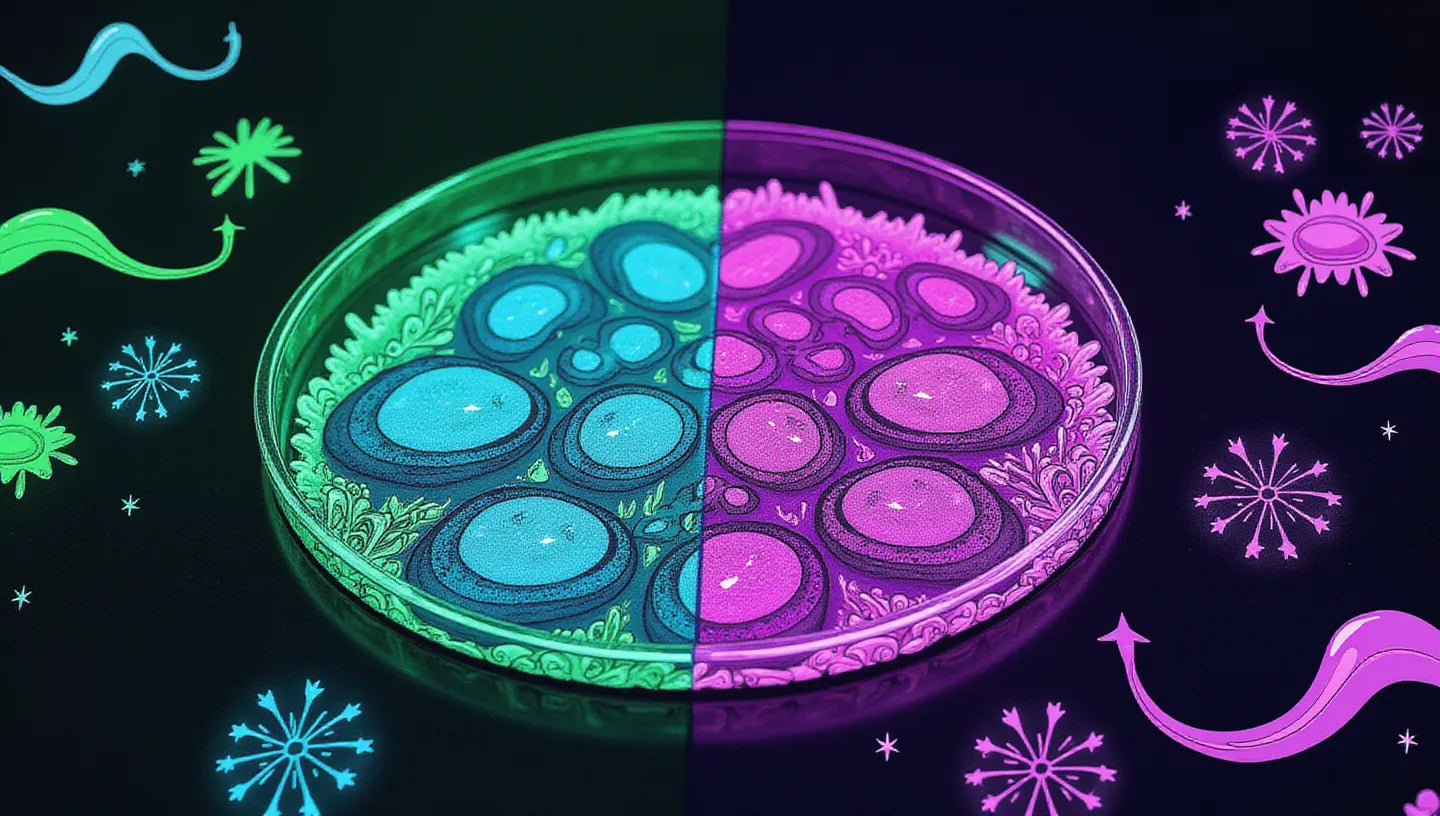
On petri dishes or agar, monokaryotic mycelium often looks less strong. It may grow thinner with a more wispy and less root-like pattern than its dikaryotic type. -
Types of Studies Using Monokaryons:
Scientists use monokaryotic strains to study how enzymes are made, how fungi fight disease, how they handle stress, and if they can mate. They are also the basic material for changing genes and creating hybrids in fungal breeding.
According to Kendrick (2000), this monokaryotic stage is important for spreading the fungus into new places, even if it cannot reproduce by itself.

The Mating Dance: How Fungal Hyphae Merge
Fungi reproduce in a complex way. It is different from typical sexual or asexual reproduction. The mating phase is a critical step from monokaryotic mycelium to dikaryotic mycelium.
What Exactly Happens During Plasmogamy?
-
Hyphal Fusion:
Two monokaryons of matching types grow toward each other and join. The outer layers and cytoplasm of their cells fuse. This forms new hyphal structures. -
Dual Nuclei Per Cell:
The nuclei of the two parent cells do not join right away. Instead, each new cell has two nuclei living together. These nuclei stay separate until the mushroom-growing stage. This leads to dikaryotic mycelium. -
Compatibility Factors:
Fungi often use chemical signs to check if another strain is a good mate. These mating types work like genders. But they can be more complex, especially in basidiomycetes, which can have thousands of mating type options.
This delayed joining of nuclei lets fungi grow and spread for a long time before they reproduce. This gives fungi an advantage for staying alive in different conditions.

Dikaryotic Mycelium: The Fruitful Union
Dikaryotic mycelium comes from two matching monokaryotic mycelia joining through plasmogamy. In this stage, each cell has two nuclei. One nucleus is from each parent spore. They live side by side and work together.
Why Dikaryotic Mycelium Is So Important:
-
Mushroom Growth:
Only dikaryotic mycelium can grow mushrooms. When conditions are right (usually high humidity, good temperature, and enough food), it forms reproductive parts. -
Common in Nature and Cultivation:
As Moore et al. (2011) showed, most wild mushroom-producing fungi we see are dikaryotic. -
Genetic Pairing Makes Variety:
Having two nuclei means there is a chance for more genetic differences when spores are made. This leads to changes that can make fungi stronger, better at making enzymes, and better at spreading spores. -
Visual Cues for Growers:
When looking at fungi in petri dishes or spawn bags, dikaryotic mycelium often shows thicker, more root-like growth. It tends to spread faster on materials than monokaryotic forms. -
Long Life & Ability to Adjust:
Many fungi can stay dikaryotic forever. They can live and spread for years if conditions are right. This long life helps form large underground fungal networks seen in ecosystems.
For mushroom growers, starting with dikaryotic mycelium means mushrooms grow faster. It also makes sure growth is good, especially for big farms or businesses.

Breeding Fungi in the Lab
Breeding fungi is both a science and an art. It relies heavily on knowing about the monokaryotic and dikaryotic stages. In labs, breeders work with single monokaryotic cultures to get traits they want.
The Breeding Workflow:
-
Spore Collection and Germination:
Spores are taken from grown mushrooms. They are germinated on agar to make single monokaryotic strains. -
Mating Trials:
Chosen monokaryons are paired in petri dishes. Lab workers watch to see if matching strains join and make dikaryotic mycelium. This often shows as a change in how they grow (thicker, faster growth). -
Trait Checking:
Once dikaryons are found, their ability to grow mushrooms, fight germs, grow fast, or make certain compounds can be tested. -
Genetic Improvement:
Over many generations, breeders can make mushroom strains better by choosing which ones to mate. This is like how plants and animals are bred in farming.
Fungi grown from spores will first grow as monokaryons. Only those that successfully find a mate through plasmogamy become working dikaryons, able to grow full mushrooms.

Cultivation Know-How: What It Means for Growers
Knowing about the fungal life cycle helps amateur and professional mushroom growers avoid common problems. It also helps them get better harvests.
Key Takeaways for Cultivation:
-
Starting from Spores:
You will work with monokaryotic mycelium. Expect a longer growing time because mating must happen before mushrooms can grow. -
Pre-Inoculated Kits (Grain Spawn or Liquid Culture):
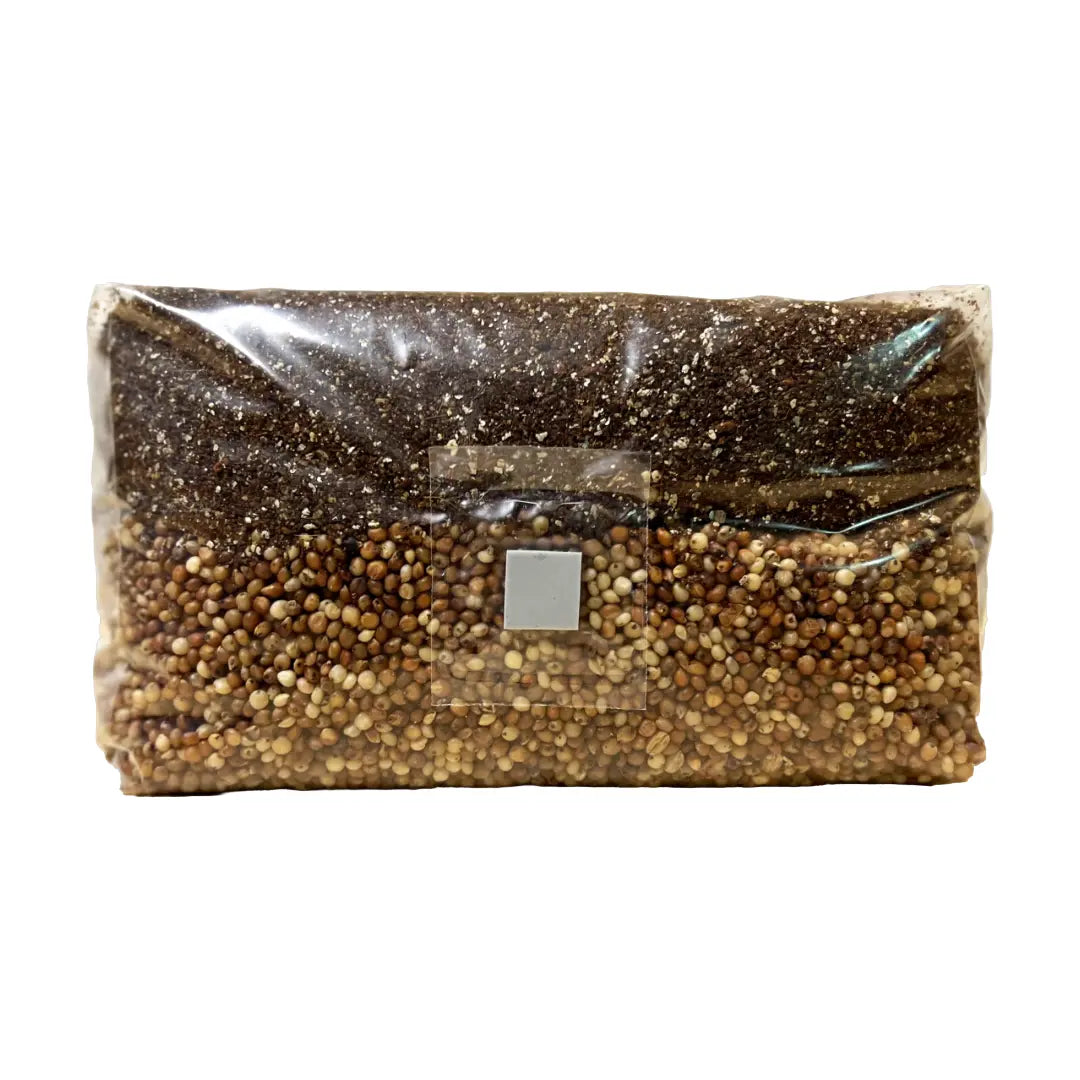
These products have dikaryotic mycelium. They are ready to grow mushrooms as soon as outside conditions are right. -
Finding Mycelial Type:
On agar, monokaryotic mycelium looks wispy or like cotton. Dikaryotic growth looks more root-like and spreads faster. Staining and looking under a microscope can confirm the nuclear state if exactness is needed. -
Strain Development:
Skilled growers can try making their own dikaryotic cultures from single spores. This can make stronger or more tasty strains for special uses.

Role in Nature: Ecosystem Engineers
Monokaryotic and dikaryotic mycelium are both vital parts of Earth’s natural systems.
Monokaryotic Mycelium:
- First to move into new areas by growing on new materials.
- Records local environmental conditions.
- Starts breaking down things by releasing first enzymes.
Dikaryotic Mycelium:
- Finishes breaking down things using more complex enzymes.
- Plays complex roles in nature, including moving nutrients around and helping plants communicate.
- Grows mushrooms, which helps spread spores.
The “Wood Wide Web”:
Fungal mycelium connects with tree roots through mycorrhizal ties. These underground networks let nutrients, water, and even stress signals move between plants. They work like a natural information highway.
Fungi do not just digest and recycle. They connect living things, keep forests healthy, and change ecosystems in hidden ways.

Applications in Science & Sustainability
As Stamets (2005) noted, mycelium has much potential in technology, lasting practices, and medicine.
Notable Applications:
-
Bioremediation:
Some fungi can break down harmful pollutants. They can clean up oil spills, heavy metals, and man-made chemicals. -
Biomanufacturing & Green Construction:
Mycelium, especially when growing dikaryotically, has been used to make materials. These include insulation boards, bricks, and packaging alternatives. -
Fashion & Textiles:
Myco-leather uses stable mycelium to make sustainable fabrics. Progress is being made to create strong, flexible materials that are as good as animal-based leathers. -
Medical & Therapeutic Uses:
Substances from fungal cultures are being studied for helping the immune system, improving clear thinking, aiding nerve growth, and fighting germs.
In all these areas, knowing the fungal life cycle helps scientists manage and grow production accurately.

Common Questions Answered
Can monokaryotic mycelium grow mushrooms?
No, only dikaryotic mycelium has the two nuclei needed for fruiting.
How can I tell if my culture is monokaryotic or dikaryotic?
Look at how it grows (thin vs. thick mycelium), use a microscope to count nuclei, or do controlled pairings on agar.
Is one stage better for experiments?
Monokaryotic is better for clear genetics. Dikaryotic is best for fast cultivation.
What’s the difference between hyphae and mycelium?
Hyphae are the single threads. Mycelium is all the threads together.
How do I make sure my culture is dikaryotic?
Use commercial dikaryotic cultures or make your own by pairing matching monokaryons on agar.
Understanding Mushrooms Starts Below the Surface
You might want to grow special mushrooms, make materials that break down naturally, or figure out fungal genetics. In any case, you start by telling the difference between monokaryotic and dikaryotic mycelium. These two forms are more than just stages. They show how fungi have changed over time to thrive, communicate, and heal the earth.
Growers, researchers, and people making new green things all gain from knowing these phases in the fungal life cycle. So, as you learn about mushrooms, keep in mind: the most important work happens below ground.
Further Reading & Resources
- How to Start Mushroom Cultivation at Home
- Beginner's Guide to Using Agar in Mycology
- Buy: Liquid Cultures for Mushroom Growing
- Shop: Pre-inoculated Grain Spawn Bags
Citations
- Kendrick, B. (2000). The Fifth Kingdom. Hackett Publishing.
- Moore, D., Robson, G. D., & Trinci, A. P. (2011). 21st Century Guidebook to Fungi. Cambridge University Press.
- Smith, J. E., & Berry, D. R. (1973). The filamentous fungi: Developmental mycology. Edward Arnold.
- Stamets, P. (2005). Mycelium Running: How Mushrooms Can Help Save the World. Ten Speed Press.