⬇️ Prefer to listen instead? ⬇️

- 🌱 Purpureocillium lilacinum can cut down nematode numbers by more than 80% in lab tests.
- 🧬 People have found over 200 kinds of nematode-eating fungi all over the world.
- 🦠 These fungi make special traps. Nematode signs in the soil set off these traps.
- 🌍 Chemical pest killers leave bad stuff behind. Fungi do not. They also help many different microbes grow.
- 🧪 Some kinds of these fungi might also help control insect pests.

Nematode-Eating Fungi: Top Natural Pest Control
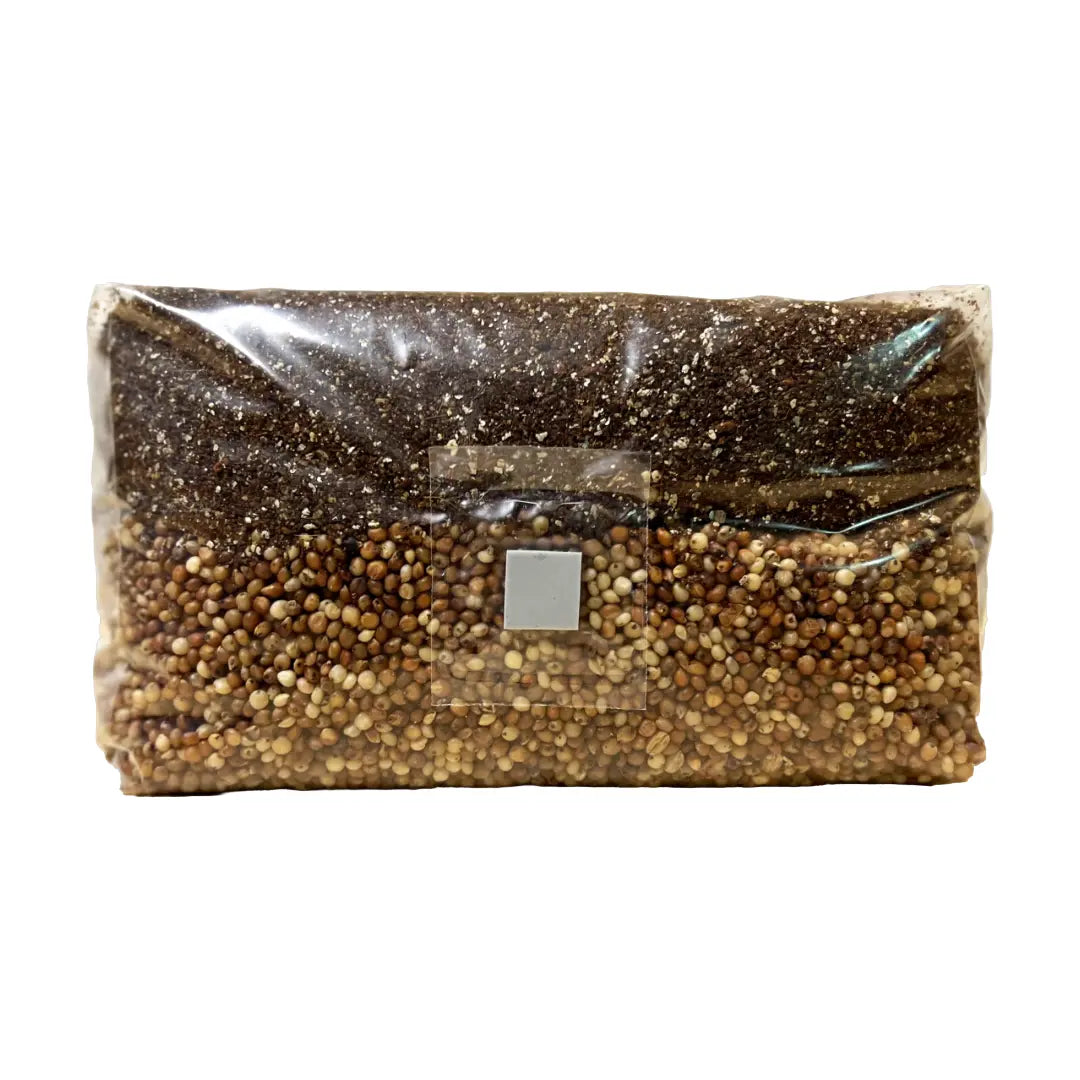
What if a fungus, not a chemical, could solve crop pest problems? Nematode-eating fungi are tiny organisms that attack harmful nematodes, and they’re getting a lot of attention from scientists and farmers. These fungi offer a cleaner, longer-lasting option compared to chemical pest killers. Growers can even study or propagate beneficial fungi in simple setups like Mushroom Grow Bags or a Monotub, making them accessible for small-scale experimentation. These fungi use several methods to trap pests and help keep nature in balance. Here is how they are changing pest control and sustainable farming methods.

What are Nematode-Eating Fungi?
Nematode-eating fungi are a varied group of fungi. They have different jobs. They mostly eat nematodes, which are tiny worms. Many of these worms live on plant roots and harm farm crops badly. These fungi are common in natural soil everywhere. Over millions of years, they changed to become some of nature's best and smartest pest fighters.
These amazing fungi work as natural pest control. They play a big part in cutting down nematode numbers without the harmful effects of man-made pesticides. They live on plant roots or freely in the soil. This helps keep nature balanced and supports lasting farming. They have many ways to fight pests. Some hunt worms, and others attack nematode eggs when they get a chance. This makes them important in managing pests using several methods (IPM).
They do more than just kill pests. They are important for nature because they help control what eats what in the soil. They also make soil healthier and help plants grow more. And they do all this while needing fewer farm chemicals that come from fossil fuels.

How Fungi Catch Nematodes
Nematodes and nematode-trapping fungi are always trying to outdo each other, like a tiny fight. Fungi have developed clever ways to hunt and infect. And nematodes have found ways to get away and live.
Nematodes are tough pests. They can move through soil and get into plant roots fast and exactly. Fungi use several different ways to deal with their quickness and success:
Traps
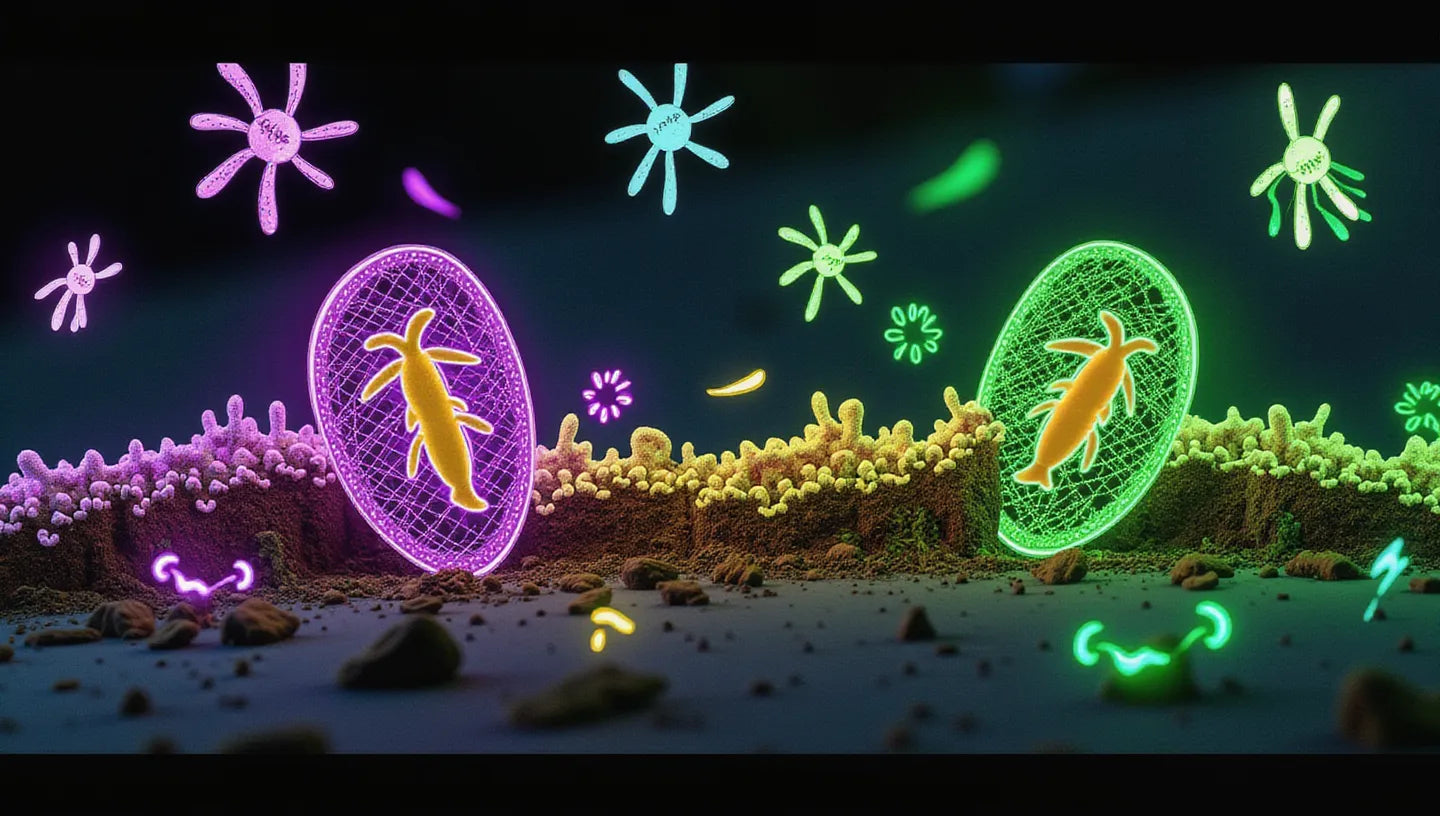
- Sticky Nets: Fungi like Arthrobotrys oligospora make fancy 3D nets of thin threads. These threads have sticky stuff on them. The nets catch nematodes when they crawl over them.
- Tightening Rings (Lassos): Some fungi make loops that react to touch. They squeeze shut in a flash when a nematode touches them. People often call these "living nooses." These rings grab the worm and stop it from moving.
- Non-tightening Sticky Bumps: These are sticky bumps at the ends of fungal threads. They just stick to nematodes passing by. Then the fungus can get inside the nematode.
The fungi do not build these traps by chance. Chemicals in nematode trails cause them to appear. These are mostly things like urea and other ammonia compounds. They show that prey is close by. This chemical signal helps fungi save energy. They only make traps when nematodes are around.
Getting Inside and Eating
Once a nematode cannot move or is dead, fungal threads push through its outer skin. They do this with both physical force and special enzymes. These enzymes include proteases and chitinases. The fungus eats the nematode from the inside. It takes in food like peptides and tiny nutrients that were inside the worm.
This process is not just about killing one nematode. Every time it works, more spores or parts get out. This lets the fungus grow and control more nematodes over a bigger area.

Types of Nematode-Eating Fungi
Nematode-eating fungi interact with nematodes in different ways. We can split them into clear groups based on how they live and what they do:
Fungi That Hunt
These fungi actively catch nematodes. They use the traps we talked about earlier. People often find these the most interesting to look at in the group. They are also a main part of pest control studies.
- Examples: Arthrobotrys oligospora, Dactylellina spp..
- What they do: Grow fast in lab dishes, easy to put into soil, and work best in soil rich with humus or compost.
Fungi That Live Inside
These fungi do not use traps. They go right to getting inside the nematode's body. They make spores that stick to the nematode's skin. These spores grow and break through the skin or get in through natural holes like the mouth or rear.
- Examples: Hirsutella rhossiliensis, Harposporium spp.
- What they do: They often must live as parasites, meaning they need nematodes completely for their lives. Also, they only affect certain kinds of nematodes.
Fungi That Attack Eggs and Young Nematodes
Fungi in this group attack nematode eggs or young nematodes. This stops them from growing up. This works well for controlling nematodes for a long time. It stops their life cycle early on.
- Examples: Purpureocillium lilacinum, Pochonia chlamydosporia
- What they do: People use them in pest killer products made from living things. They grow on egg shells and release enzymes that melt the shell.
Fungi That Take Chances and Fight Back
These fungi do not kill nematodes directly. Instead, they fight for food in the root area, change how nematodes act using chemicals, or cut down how many nematodes are born by messing up soil life.
- Examples: Trichoderma spp., Clonostachys rosea
- What they do: These are microbes that can do many things. People often use them with other pest control agents for full pest management.

Important Kinds of Fungi
Knowing what each type of fungus does well and how it lives helps farmers, gardeners, and scientists pick the right fungi for their pest control aims. Here are some of the main ones:
Arthrobotrys oligospora
This is likely the most studied nematode-trapping fungus. It is known for making sticky nets of fungal threads. It is a good example for looking at how fungi grow and change. It grows well in soils full of organic matter and works very well against nematodes that live freely.
Purpureocillium lilacinum
This fungus is best known for attacking nematode eggs. It goes after root-knot nematodes (Meloidogyne spp.). Lab and field tests have shown it can stop up to 85% of these pests (Kerry, 2000). Pest killers made from living things often include this fungus because it has a clear history of working.
Hirsutella spp.
These fungi live inside other organisms. They are close relatives of insect-killing fungi like Cordyceps. They can infect both nematodes and insects. This makes them interesting choices for pest control that targets many different pests.
Dactylella and Monacrosporium
These types of fungi are not as well known. But they play a big part in controlling nematodes in wild soil. They make special kinds of traps. People have studied them to learn about their many enzymes and how tough they are in different places.

Good Things Fungi Do for Healthy Soil
Nematode-eating fungi do much more than just control pests. They help soil stay healthy and provide good things for nature. This makes them important parts of the soil's living system:
- Nutrient Movement: They help break down dead plants and animals. They release enzymes that free up nitrogen and phosphorus. Then plants can take in these nutrients.
- Soil Makeup: Their networks of threads make soil clump together better. This means the soil gets more air, holds water better, and does not wash away as easily.
- Microbe Harmony: They keep bad nematodes from getting too many. This lets good microbes, like mycorrhizae and nitrogen-fixers, grow well.
- Stopping Sickness: Sometimes, these fungi can also stop other harmful germs from growing. This makes the soil around plant roots healthier.
In farming methods that rebuild soil and natural gardening, helping these fungi grow is vital for strong soil and long-lasting output.

Good Points and Downsides of Natural Pest Control
Good Points
- Safe for Nature: Fungi break down naturally. They do not leave bad stuff on crops or in underground water.
- Hits Only the Target: Most kinds of fungi only attack certain pests. This means they are less likely to harm other good living things.
- Better Soil Health: They are living things. They add to the soil's living system instead of taking from it.
- Lasting Use: They work well for organic farms and farms that use fewer outside products. This is because they can renew themselves.
Downsides
- Growing Needs: Many kinds of fungi need exact conditions to work best. This includes enough wetness, the right heat, and a good pH level.
- Works Slower: Chemical pest killers work fast. These fungi might take weeks or months to show clear results.
- Keeping and Using: These pest killers are living things. So, you must store and use them correctly to keep them working.
- Fits Different Areas: Not all types of fungi work well in new soils or weather. This means one type might not work everywhere.
Even with these points, studies and farm tests still show that nematode-eating fungi can greatly reduce pests for a longer time. This is especially true when used with current organic farming and soil-rebuilding methods.

Where Do People Use These Fungi?
People are using nematode-eating fungi in many different kinds of farms and farming setups:
- Big Farms: Greenhouses, grape farms, and farms growing expensive vegetables use fungal products. They do this to use fewer chemicals while still getting good harvests.
- Organic Farms: Fungi-based pest control products are used a lot on farms with organic labels. This is because they follow organic rules.
- Farm Tech Companies: New companies are looking into fungal types that fit certain areas or soil types. They are making better ways to deliver them, such as spores in tiny capsules or gel.
Many countries have said yes to microbe-based pest killers. These include the U.S., Brazil, India, and several countries in the EU. As the rules get better, even more helpful fungi will become part of everyday pest control.

Problems in Nature and with Life
Even though they look promising, using nematode-trapping fungi everywhere comes with real problems:
- Fungi Staying Alive: Fungi might not last during dry spells or bad soil pH. This is unless other helpful microbes or materials are used with them.
- Nematode Changes: Some kinds of nematodes can change or learn how to stay away from traps and places with many fungi over time.
- Soil Microbe Fight: Other microbes that live in the soil, either natural ones or new ones, might make the fungi work less well.
- Making the Product: It is hard to make products that are steady, easy to use, and keep the fungi alive. This is still a main problem for many new companies and labs.
The best results often happen when fungi are put into farming systems that have many different living things, not just one crop. Also, results are better when compost or biochar helps them last longer.

Growing Nematode-Trapping Fungi at Home
People who like to grow things, teachers, and small farmers can easily grow nematode-eating fungi. They can then use them in gardens and compost.
How to Grow Them
- Get Agar Ready: Use potato dextrose agar (PDA) or cornmeal agar (CMA) in clean Petri dishes. This is for growing the first fungal types.
- Grain Jars or Liquid: Make more of those fungi. Use boiled grain (like sorghum or millet) or food-rich liquids in glass jars.
- How to Use: Once the fungi have grown, mix the material with compost. Or put it near plant roots where many nematodes are.
Companies like Zombie Mushrooms sell kits that are easy for beginners. They have agar plates already made and liquid fungi ready to use, especially for pest control.
This do-it-yourself way helps people start natural farming. It also gives growers a clear look into how soil lives. This helps hobbyists and nature-friendly farmers.

Moving Towards Farming That Rebuilds Soil
Farming for nature is not just about using less. It is about actively making soil life better again. Nematode-eating fungi are good partners in this change:
- Stacked Pest Control: Use trapping fungi with bacteria like Bacillus thuringiensis or nematodes that hunt other pests. This builds a system that controls pests at different levels.
- Adding to Soil: Put them in fields with cover crops and no-till farming. This helps the fungi stay there season after season.
- Using with Compost: Add these fungi to hot compost. This makes compost piles into living units that fight pests.
As more studies look at groups of many microbes, nematode-eating fungi are seen as key types of living things. They help bring back damaged areas and clean up soil that has been farmed too much.

How Fungi Fit into Lasting Farming
People are looking closely at farm chemicals. This is because they harm bees, water, and good microbes. On the other hand, nematode-eating fungi:
- Break down safely
- Help roots and soil stay strong
- Stop pests from getting used to controls
- Fit into farming that reuses things and uses fewer outside products
Organic farming, soil-rebuilding farming, and farming focused on the weather more and more see fungi not as small tools, but as main parts of smart farming for the weather.

Find Out About Nature Fungi with Zombie Mushrooms
Want to use these soil-friendly fungi yourself? At Zombie Mushrooms, we have many tools that work for new people and soil scientists. These include agar plates, liquid fungi, and home lab kits to grow fungi for pest control like Arthrobotrys or Purpureocillium.
Let your interest become living soil systems. And be part of bringing nature back, right from your yard, garden, or grow room.

What's Next for Fungi?
People have found over 200 kinds of nematode-eating fungi all over the world (Stirling, 2014). So, we are still just starting to look at all this area can do. Future studies might find new ways to make products, new fungi that are even better at targeting specific pests, and ways to spread fungi for pest control over many places.
Weather problems make it even more urgent to have lasting ways to get food. Nematode-trapping fungi are ready to be small, strong helpers under our feet. They are top players not only in pest control, but also in the whole change to rebuilding nature.
Citations
- Kerry, B. R. (2000). Root area interactions and using microbes for the natural control of plant-harming nematodes. Annual Review of Phytopathology, 38, 423–441. https://doi.org/10.1146/annurev.phyto.38.1.423
- Stirling, G. R. (2014). Natural Control of Plant-Harming Nematodes: How to Manage Soil Life in Lasting Farming. CAB International. https://www.cabi.org/bookshop/book/9781780644158/
- Jansson, H. B., & Lopez-Llorca, L. V. (2004). Control of nematodes by fungi. In Arora, D. K. (Ed.), Fungal Biotechnology in Farming, Food, and Nature Uses. Marcel Dekker.