⬇️ Prefer to listen instead? ⬇️

- 🍄 The global functional mushroom market is projected to reach $19.33 billion by 2030.
- 🧬 Over 500 new fungal species were identified by citizen scientists using DNA barcoding.
- 🌱 Home cultivators can grow mushrooms using agricultural and household waste products.
- 🧠 Lion’s mane mushrooms may support cognitive health, according to recent ethnopharmacology research.
- 🏙️ Fungi play a vital role in sustainable urban food systems, says the UN FAO.

The Many Faces of a Mycophile
Just labs and textbooks used to be the only place for mushroom passion. But today’s mycophile community is as diverse as the fungi they cherish. From backyard growers to shamans, the mycophile community includes people interested in science, art, and environmental work.
Everyday Enthusiasts
Modern mycophiles often start small. They might get a grow kit for the kitchen counter, take a lion’s mane supplement, or find curiosity sparked by a nature walk. These new enthusiasts often get more involved. For example, they might sign up for local foraging walks, try out home growing setups, or join online groups.
Historical Mycophiles
Beatrix Potter is best known for her children's stories. But she was also a dedicated naturalist who made detailed and scientifically correct mushroom drawings. Also, R. Gordon Wasson, an investment banker, became an important figure in ethnomycology. He did this after writing about his experiences with psilocybin mushrooms during trips to Mexico. These people show how a personal interest in fungi can grow into serious study.
Citizen Scientists and Educators
With more digital platforms and affordable lab tools, citizen mycologists are stepping up. They collect samples, grow species on agar, and add important data to global fungal biodiversity efforts. Many share their mycophilia publicly through blogs, social media, and online places. These platforms share what they know, tell stories, and show striking visuals of fungi in their natural spots.

A Deeply Rooted Fascination: Humans and Fungi Through History
Fungi have been tied to human history for thousands of years. Old findings and records show that mushrooms have played important roles in diet, spirituality, and medicine across many different cultures.
Sacred and Psychedelic Uses
In ancient civilizations, psilocybin mushrooms were often seen as spiritual gatekeepers. The Aztecs called them “teonanácatl,” or “flesh of the gods.” Shamans in Siberia and Mesoamerica reportedly used psychoactive fungi in ceremonies and healing rituals. They believed these organisms offered a way to divine places and different states of mind.
Today, scientific interest in these sacred uses is coming back. Institutions like Johns Hopkins and Imperial College London are researching psilocybin’s potential to treat depression, anxiety, and PTSD. These modern studies echo the historical respect mycophiles have long felt toward fungi's mysterious powers.
Food and Medicine Through the Ages
In traditional Chinese medicine (TCM), mushrooms like reishi (Ganoderma lucidum), turkey tail, and shiitake have been used for immune support, stress reduction, and overall good health for thousands of years. Ancient Romans considered fungi a delicacy for the upper class. And Nordic cultures wrote about using fungi to survive during hard winters. This widespread historical use is now being confirmed through clinical research and commercial products made from adaptogenic mushrooms.

Mushroom Cultivation: A Mycophile’s Indoor Playground
One of the most compelling ways to engage with fungi is through mushroom cultivation. This hobby combines biology and agriculture, science and patience. And humble admirers become skilled growers.
The Basics of Home Cultivation
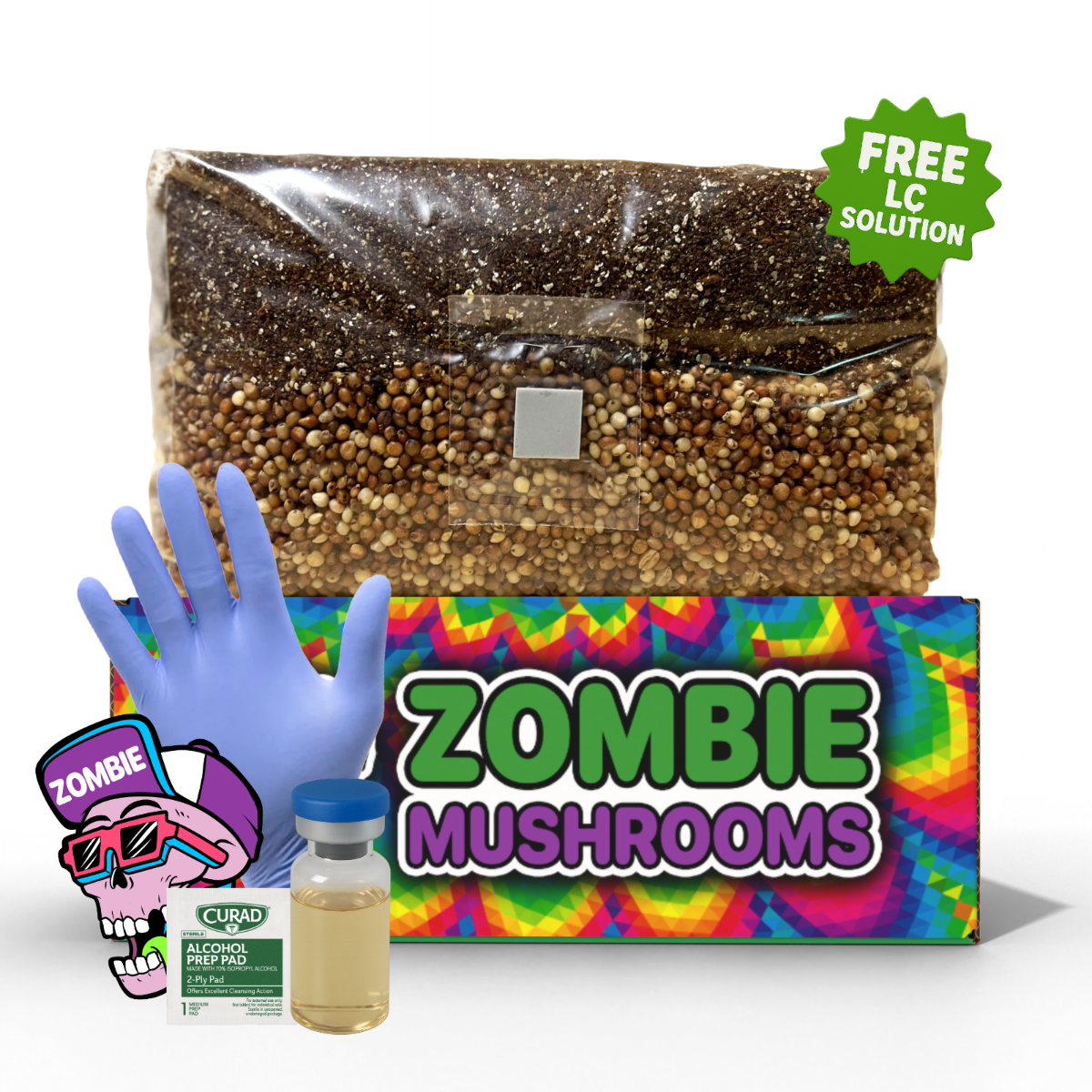
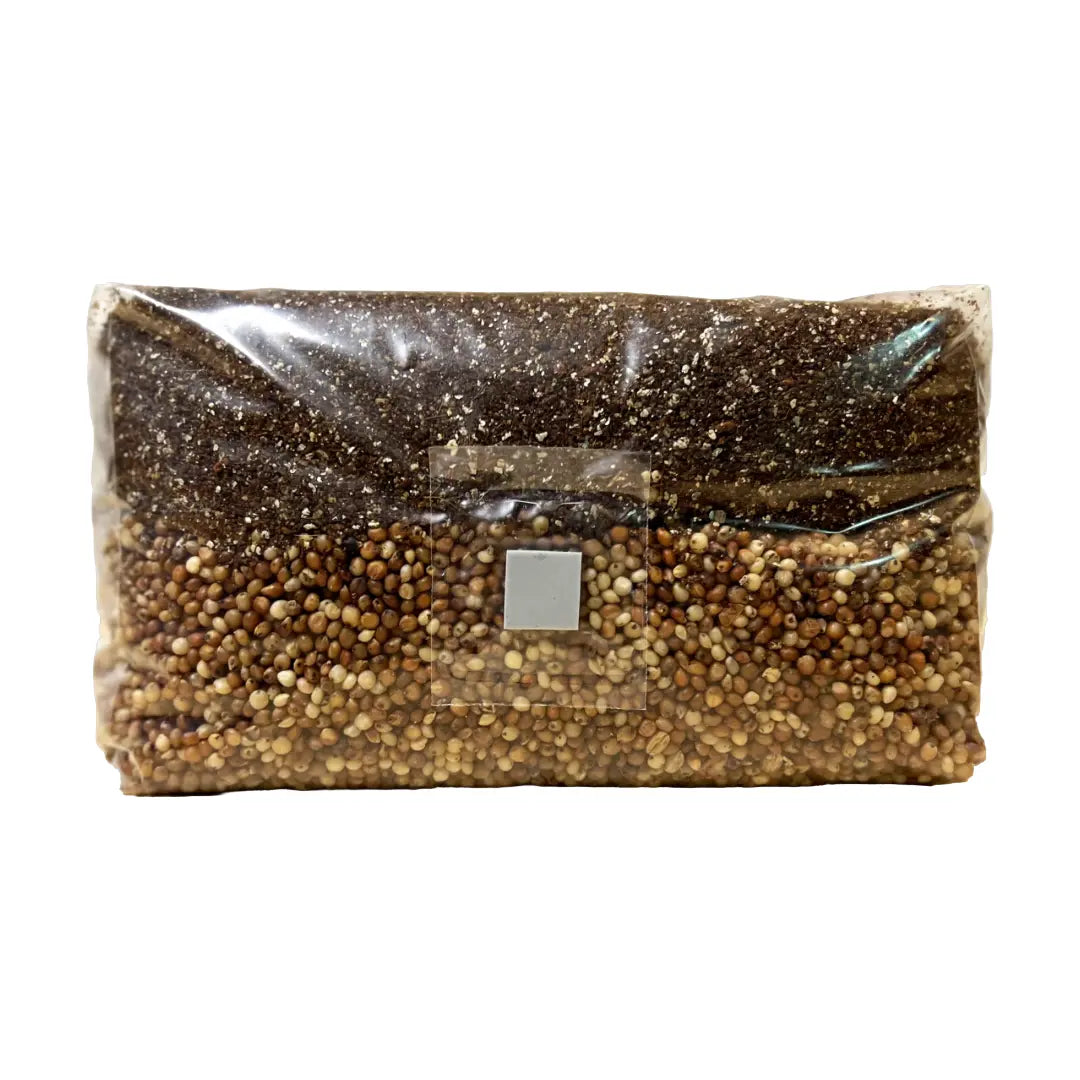
Beginners often start with easy-to-grow species like oyster mushrooms (Pleurotus ostreatus). These thrive in many different growing materials and conditions. Companies like Zombie Mushrooms offer grow kits that already have spores in them. This makes growing accessible even for those with no experience. These kits can be placed in kitchens, closets, or even offices. They provide a sprouting visual reminder of nature’s quiet output.
Intermediate and Advanced Techniques
As hobbyists get more confident, many begin to learn more advanced growing techniques. This may include:
- Creating sterile environments using still-air boxes.
- Growing cultures on agar to isolate strong strains.
- Making their own grain spawn from sterilized grains and spore syringes.
- Experimenting with bulk growing materials like straw, sawdust, or coffee grounds.
Advanced cultivators sometimes move from kits to fully controlled grow spaces. They use monotubs, fruiting chambers, or small greenhouses.
Sustainability Through Cultivation
What makes mushroom cultivation so good is how it helps the environment. Growers can recycle old cardboard, used coffee grounds, and farm byproducts into high-protein, low-impact food. Plus, used mushroom growing materials can be composted or used to make garden soil better. This turns the growing process into a zero-waste loop.

Foraging for Mushrooms: A Wild Hunt with Purpose
Natural curiosity often leads mycophiles into the woods. They carry baskets and scan mossy logs and shaded paths. Mushroom foraging is more than a hobby. It's a very sensory, place-based practice that strengthens our connection to nature.
Foraging Ethically and Safely
Fungal foraging needs honesty and care. There are thousands of species of mushrooms. And while many are edible or medicinal, others can be very toxic or even deadly.
Advised best practices:
- Start local. Learn from experienced foragers in your area. Regional mushroom clubs often host guided walks.
- Consult multiple sources. Use field guides alongside identification apps to confirm what you find.
- Take only what you can use. Leave smaller mushrooms behind so they can mature and release spores.
- Avoid sensitive areas. Only forage in places that are legal and ecologically stable.
Foraging Culture and Skills
The experience of mushroom foraging differs around the world. In Japan, for example, matsutake mushrooms are highly valued in the culture and cost a lot. In Eastern Europe, mushroom hunting is a family tradition passed down through generations.
For the modern mycophile, foraging offers both fun and learning. It teaches awareness of nature, patience, and how to spot patterns. These skills get better with practice. Plus, there's the unbeatable satisfaction of eating something you found yourself.

Citizen Science and the Mycophile’s Role in Research
You don't have to be a mycologist to further fungal science.
Making Science Accessible
The rise of community-science platforms has opened the door for amateur contributors. Projects like the Fungal Diversity Survey (FunDiS) are rallying mushroom enthusiasts worldwide to document and identify species in their regions. This data improves scientific understanding of fungal diversity, fungi’s environmental roles, habitat threats, and conservation priorities.
In the 2021 report from FunDiS:
- 🧬 Over 5,000 volunteers participated.
- 🧫 500+ unique fungal species were DNA-confirmed thanks to contributions from these volunteers.
These efforts are crucial, especially as many fungal species remain undescribed or under-observed. This is because they are hard to find and not many people know about them.
DNA Barcoding and Spore Prints
Many citizen scientists take samples of fungi. They also create spore prints (a way to capture the microscopic spore pattern). Then they submit them for barcoding to confirm species identity. These submissions, along with geotagged photos and notes about their environment, help scientists track fungal changes. This includes changes related to weather patterns or habitat loss.

Essential Gear: Building Your Mycophile Toolkit
A mycophile's tools depend on their main interest — growing or foraging. But some items appear across all specialties.
Cultivation Essentials
- Sterile workspace: Still-air boxes or laminar flow hoods are important for stopping contamination.
- Spawn and spores: Start with spore syringes or liquid culture to put spores into your growing material.
- Growing medium: Straw, sawdust, or special blocks, sometimes available with spores already in them.
- Humidity equipment: Misters, LED grow lights, and small humidifiers can increase yields in dry environments.
Foraging Essentials
- Field guides: Thorough ID books like Mushrooms Demystified by David Arora are top resources.
- Foraging knife: A curved blade with a brush is great for cleaning mushrooms on the spot.
- Mesh basket: This lets spores fall out as you walk, helping them spread naturally.
- Notebook or digital app: For taking notes about where you found mushrooms and what they looked like.
Whether you grow, forage, or do both — preparing helps you work with fungi safely and successfully.

Mushrooms and Sustainability: A Natural Solution
The more we learn about fungi, the more we realize how vital they are to ecosystems. And they may help us solve some of our pressing environmental issues.
Fungi as Bioremediators
Through a process called mycoremediation, fungi such as oyster mushrooms can break down pollutants. This includes petroleum hydrocarbons, pesticides, and heavy metals. This ability makes fungi good for cleaning up waste sites, oil spills, and contaminated soil.
Notable applications:
- 🍄 Pleurotus ostreatus used in oil spill cleanup projects.
- 🍄 Ganoderma species studied for their breakdown of synthetic dyes and plastics.
Urban Agriculture and Mushroom Farming
According to the FAO, mushroom farming is a way to get food that can be done on a large scale and uses little carbon. Fungi can be grown indoors in cities. They need minimal water, no sunlight, and small spaces. For city dwellers, rooftop and basement cultivation projects offer local food and ways to earn money.

Functional and Medicinal Mushrooms: Mushrooms for Health
Functional mushrooms offer properties that promote wellness. They can help with nutrition and adapt to stress, all without pharmaceutical side effects.
Adaptogens and Their Benefits
- Lion’s Mane (Hericium erinaceus): Shown to stimulate Nerve Growth Factor, which may support memory and thinking (Ryu et al., 2018).
- Reishi (Ganoderma lucidum): Used in TCM to reduce stress, balance the immune system, and help with sleep.
- Cordyceps: Traditionally used to support stamina and good health. Now it is being studied for its potential to boost ATP production and improve athletic performance.
Market Growth and Consumer Demand
Public interest in plant-based mental wellness solutions is growing. And the functional mushroom market is meeting — and growing — this demand. Grand View Research projects the global market will reach $19.33 billion by 2030. This is due to factors such as managing anxiety, immune health, and thinking skills as people age.
Responsible Supplementation
It’s important to get functional mushrooms from sellers who test for purity and use proper extraction methods. Mycophiles should choose full-spectrum, fruiting body extracts over mycelium-on-grain products, which may have fillers.

The Digital Mycophile: Connecting Through Screens
Social media and online communities are creating a new wave of connected mycophiles. These people may never meet in person, but they share spores, tips, and stories across borders.
Popular channels:
- Reddit: Communities like /r/mycology are busy discussion boards.
- TikTok: Short, educational videos about mushroom cultivation or foraging techniques get hundreds of thousands of views.
- Discord Servers: These let people work together on bulk orders, trading cultures, and planning workshops.
Online classes from groups like Zombie Mushrooms give beginner and intermediate mushroom education from home.

How to Begin as a Mycophile
You don’t have to dive in headfirst. Start small. Observe. Learn. Here’s how to begin:
- Order a mushroom grow kit to see the life cycle firsthand.
- Register for a beginner-friendly mushroom course or video series.
- Join a local group for in-person foraging trips or cultivation workshops.
- Use identification apps to help with hands-on mushroom foraging.
- Read important books to gain understanding and confidence.
Each simple step opens a spore-laden door to something bigger.
Embracing Your Inner Mycophile
If you spend your weekends crouched beside logs, post lots of mushroom photos, or feel your pulse quicken when you see a mushroom fruiting body — congratulations. You’re one of us.
The label of "mycophile" isn’t just a quirky badge. It shows a deep curiosity, respect, and commitment to something that truly affirms life. In every stale log and still spore lies an entire universe, ready for you to discover.
The Fungal Future: Why Mycophilia Is More Than a Trend
Mycophilia is far from a passing interest. It’s a response to our urgent need for connection, sustainability, and healing. As society rethinks its relationship with the natural world, fungi stand out as guides, allies, and bridges to something ancient and necessary.
Whether you’re growing lion’s mane under your sink or hiking with a field guide and a dream, you’re part of a growing global network of those who know the power of mushrooms.
So go ahead. Call yourself a mycophile. The world needs more of you.
Citations
Fungal Diversity Survey. (2021). Annual Report. Retrieved from https://fundis.org
Grand View Research. (2022). Functional Mushroom Market Size Report, 2030. Retrieved from https://www.grandviewresearch.com
Ryu, S. et al. (2018). Hericium erinaceus (lion’s mane) in cognitive enhancement: A review. Journal of Ethnopharmacology.
United Nations Food and Agriculture Organization (FAO). (2020). The Role of Fungi in Sustainable Food Systems.
United States Department of Agriculture (USDA). (2022). Specialty Mushroom Report. Retrieved from https://www.nass.usda.gov